
URA Draft Master Plan 2025 - Impact on Offices
URA Master Plan 2025: The Future of Office Real Estate in Singapore
Singapore’s urban planning blueprint for the next decade is here — and it brings major shifts to how office spaces will be developed, used, and valued. URA’s Master Plan 2025 lays out a bold roadmap focused on sustainability, flexibility, and decentralisation.
Here’s what that means for office property owners, investors, and forward-thinking developers.
Key Themes Reshaping the Office Market
1. Sustainability and Green Transformation
Singapore is doubling down on its Green Building Masterplan with incentives like the $63 million Green Mark Incentive Scheme for Existing Buildings (GMIS-EB 2.0).
Commercial buildings — especially offices — are encouraged to upgrade to Super Low Energy or Zero Energy standards. Beyond compliance, these green assets will attract future-focused tenants and enhance long-term yield resilience.
Key impact: Landlords who invest in energy retrofits today are more likely to future-proof their rental income and attract MNC-grade occupiers.
2. CBD Rejuvenation through Incentives (CBDI / SDI)
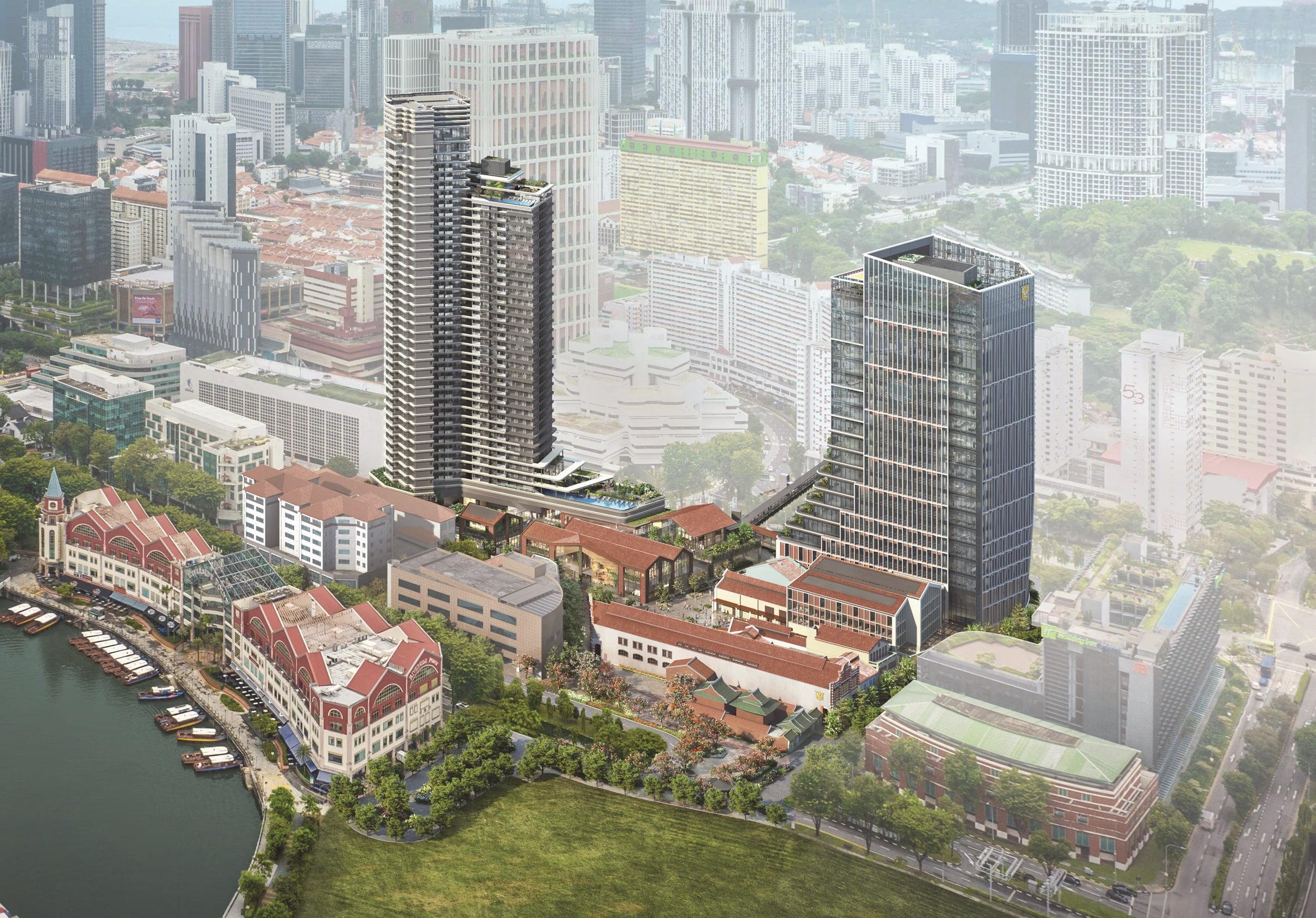
The CBD Incentive Scheme (CBDI) and Strategic Development Incentive (SDI) have been extended to 2030. These schemes target ageing office buildings in core zones like Raffles Place, Tanjong Pagar, and Marina Bay — offering bonus GFA and zoning flexibility for owners who convert them into mixed-use projects.
Eligible redevelopments may include residential, serviced apartments, hotels, and even retail components — creating 24/7 precincts that support both work and lifestyle.
What this means for office owners: This is a limited-time opportunity to reposition outdated office stock into high-yield, future-ready mixed-use developments.
3. Business-White Zoning: Unlocking Hybrid Commercial Models
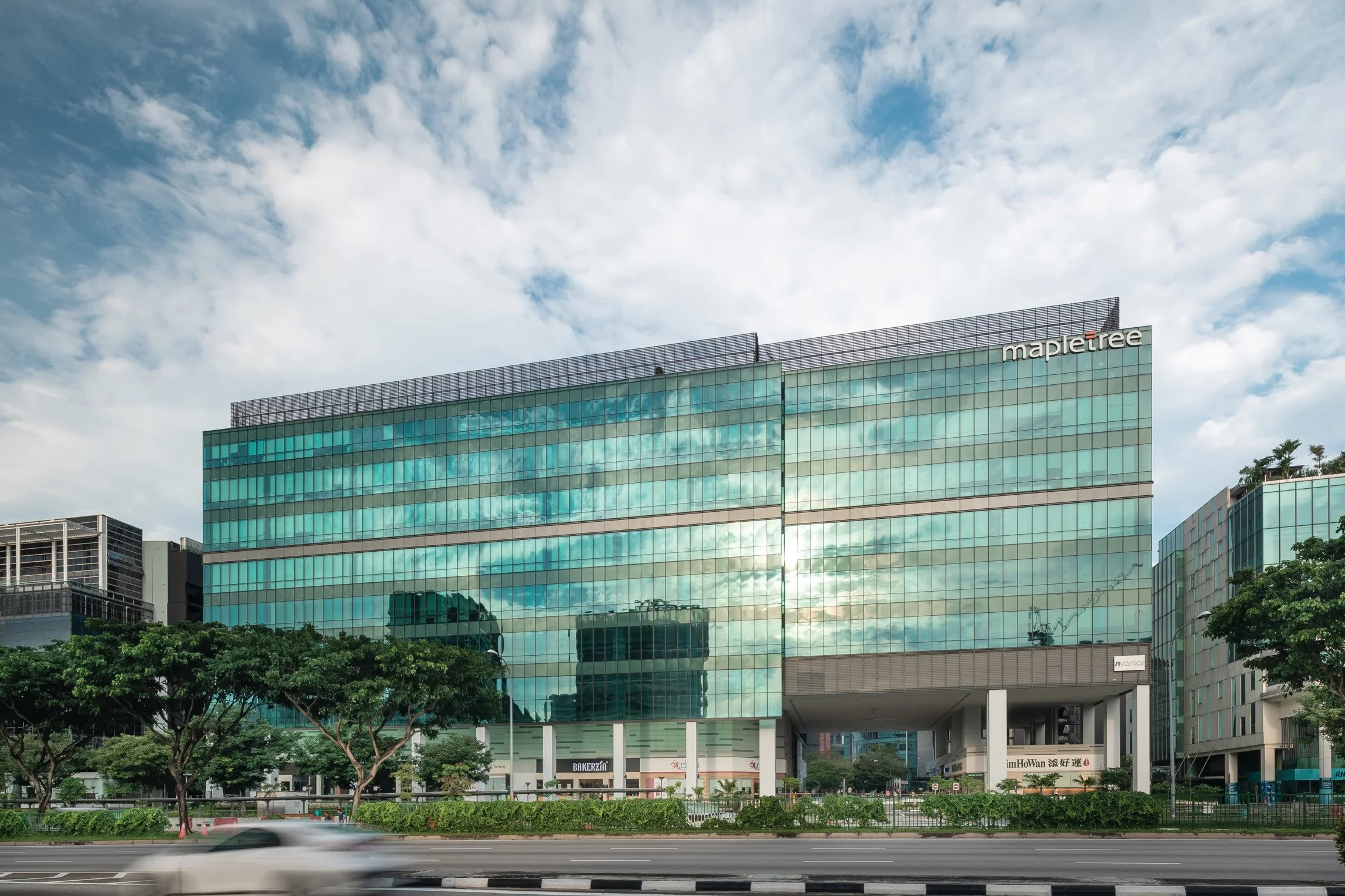
The Draft Master Plan introduces Business-White zoning in selected areas like Jurong, Woodlands, Tuas, and Seletar.
This zoning allows a blended mix of uses within a single development — including:
Light industrial (e.g. food labs, clean tech)
Office and co-working
Retail and logistics
R&D and innovation spaces
It supports the needs of modern businesses that straddle multiple functions — without being constrained by traditional, single-use zoning.
Strategic takeaway: This is especially valuable for developers seeking layered rental yields, or investors exploring multi-tenant diversification within decentralised commercial locations.
4. Vertical Zoning: Multi-Level Use in a Single Building
In line with Business-White flexibility, URA is also supporting vertical zoning — the concept of stacking different uses within the same building envelope.
For example:
Ground floors → light industrial or warehousing
Middle floors → offices, co-working, training spaces
Upper floors → serviced apartments, F&B, residential units
This format is being piloted in locations like Kolam Ayer, Jurong Lake District, and Yishun, where integration and adaptability are key planning goals.
Investor benefit: Optimise plot ratio and achieve multiple revenue streams across strata, leasehold, or managed tenancy structures.
5. Shorter Leasehold Tenure: Strategic Agility
More commercial sites — especially mixed-use and decentralised plots — are now offered with 15-, 30-, or 60-year leases, compared to the traditional 99-year lease model.
This tenure shift enables:
Lower upfront capital requirements
Faster project cycles with clearer exit timelines
Encouragement of concept-based developments (e.g. wellness hubs, creative co-working, medical-commercial hybrids)
These shorter leases are often coupled with flexible zoning, making them suitable for agile developers, specialist operators, or owner-occupiers with clear operational timelines.
Key insight: Investors can align project costs and ROI more closely with market cycles — especially useful in fast-evolving business clusters.
6. Growth of Decentralised Commercial Nodes
The Master Plan continues URA’s decentralisation push — promoting regional hubs as viable office alternatives to the CBD.
Highlighted nodes include:
Bishan Sub-Regional Centre: New office towers, agency relocations, and community integration
Tampines Central: Office, retail and an integrated transport hub
Woodlands North: RTS terminus, business-white sites, and co-working innovation space
Jurong Lake District: Future-proofed as the largest mixed-use district outside the CBD
Opportunity: Rising demand for office space in these hubs will be driven by proximity to transport, housing, and lifestyle amenities.
What Office Owners Should Be Watching
| Opportunity Area | Key Advantage |
|---|---|
| Redevelopment Schemes | Bonus floor area or land use flexibility in key CBD zones |
| Mixed-Use Buildings | Higher yield potential through diversified usage |
| Green Building Upgrades | Eligibility for funding + long-term energy savings |
| Decentralised Business Districts | First-mover advantage in ne
Why This Matters Now
Previous
Previous
Affordable Fully Fitted Shophouse Office for Lease – Circular RoadNext
Next
2025 RARE & FREEHOLD New Strata Office Sale Opportunities |